The right dose for the animal
A veterinarian may prescribe a compounded medication when an animal needs a dose that is not commercially available, including very small doses for certain breeds or much larger doses for horses and other large animals.

Compounding allows pharmacists to create customized medication for an individual patient pursuant to a prescription.
From personalized hormone and ketamine treatments to solving shortages and ensuring quality, compounding fills critical care gaps.
Veterinary compounding is the preparation of customized prescription medications for individual animals. A compounding pharmacist works from a prescription written by a licensed veterinarian and prepares the medication in the strength, dosage form and flavor prescribed for that specific patient.
Animals vary widely by species, size and physiology, so their medication needs can differ significantly. Veterinary compounding provides a lawful way to meet those individualized needs when the commercially available options do not match the veterinarian’s prescription. It is performed by licensed pharmacists under federal law and state board of pharmacy oversight.

A veterinarian may prescribe a compounded medication when an animal needs a dose that is not commercially available, including very small doses for certain breeds or much larger doses for horses and other large animals.

A dosage form that works well for a person may not work for a cat, dog, horse or other animal. Compounding pharmacists can prepare medications as flavored liquids, transdermal gels, chewable treats, pastes or other forms the veterinarian determines are suitable for the patient.

When a needed medication has been discontinued, is in short supply or is not commercially available for a particular species, a licensed compounding pharmacy may be able to prepare it for that individual animal.
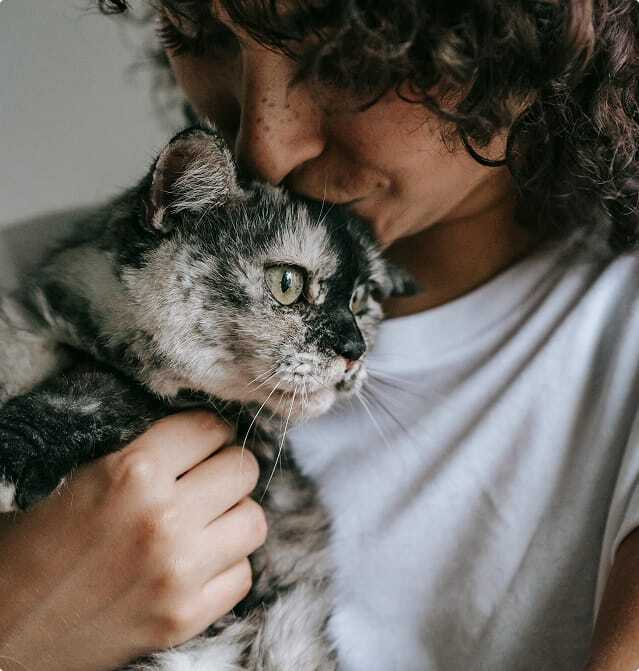
Veterinary compounding can serve animals across species, from household pets to horses, livestock and other large animals. A veterinarian may prescribe a compounded medication when an individual animal’s species, size, physiology or ability to take the medication calls for a strength, dosage form or flavor not commercially available.
Compounded medication for dogs: Dogs often benefit from flavored liquids, chewables, and custom strengths that better match their size, treatment plan, and willingness to take medication.
Compounded medication for cats: Cats can be especially difficult to medicate by mouth. Compounding allows a veterinarian to prescribe options such as flavored liquids or, when appropriate, transdermal preparations applied to the inner ear.
Compounded medication for horses: Horses often require medications in strengths and quantities suited to their size and physiology. Compounded pastes, liquids, powders, and other customized forms can make treatment more practical.
Compounded medication for rabbits: Few commercial medications are made specifically for rabbits and other small or exotic animals. Compounding pharmacies can prepare appropriately measured strengths and dosage forms based on a veterinarian’s prescription.
Horses are frequently treated with compounded medications because available commercial formulations are not always appropriate for equine physiology, palatability, or the scale of dosing required. Large-volume oral pastes, pelleted formulations, and preparations calibrated to equine physiological requirements are among the most common forms prepared by veterinary compounding pharmacies.

Veterinary compounding operates under the same federal and state regulatory framework that governs human drug compounding. The starting point is a valid prescription from a licensed veterinarian for a specific, named animal patient.
503A compounding pharmacies are traditional compounding pharmacies regulated by their state board of pharmacy. They prepare medications for individual animal patients based on a valid prescription and must meet quality standards published by the United States Pharmacopeia.
503B outsourcing facilities are larger-scale compounding operations regulated directly by the FDA. They can produce medications in larger batches for veterinary hospitals and clinics, and are held to stricter manufacturing standards than 503A pharmacies.
Compounded medications for animals are not FDA-approved products. They are prepared under the regulatory authority of the compounding pharmacy and the prescribing veterinarian.
No. Compounded medications for animals require a valid prescription written by a licensed veterinarian for a specific, named patient. This is a legal requirement under both federal and state pharmacy law. A veterinarian must have an established Veterinarian-Client-Patient Relationship (VCPR) with your animal before prescribing any medication, including compounded preparations. Any source claiming to dispense compounded veterinary medications without a prescription is operating outside the law.
Understanding a few common terms can make it easier to discuss compounded medications with your veterinarian and pharmacist.
No matching terms found.
Veterinary compounding is the preparation of customized prescription medications for individual animal patients. A licensed compounding pharmacist works from a prescription written by a veterinarian, building a medication in the strength, form, and flavor suited to that specific animal.
Veterinarians prescribe compounded medications when a commercial drug is not available in the right dose, form, or species-appropriate formulation for a particular patient. A cat that won’t accept a pill, a horse that requires a dose far outside commercial packaging, or a rabbit species for which no commercial product exists: these are the situations compounding is designed to solve. The goal is always to give the animal the most effective treatment possible.
Yes. Compounding pharmacies prepare custom medications for all types of animal patients, including dogs, cats, horses, rabbits, birds, reptiles, and exotic animals. The pharmacist works from a prescription written by a licensed veterinarian, and the resulting medication is prepared specifically for the named animal patient. Flavored liquids, transdermal gels, and chewable treats are among the most common forms prepared for household pets.
Start with your veterinarian’s recommendation. Veterinarians who regularly prescribe compounded medications develop working relationships with pharmacies they trust. You can also use the Alliance for Pharmacy Compounding’s pharmacy locator to find a compounding pharmacy near you. Verify a pharmacy’s legitimacy through the APC "Is It Legit?" tool, your state board of pharmacy, or through the National Association of Boards of Pharmacy at nabp.pharmacy.
When a veterinarian prescribes a compounded medication for your animal, they will often recommend a specific compounding pharmacy they work with regularly. That is a good starting point. Veterinarians develop relationships with compounding pharmacies whose quality and reliability they have come to trust.
You can verify a compounding pharmacy independently using the Alliance for Pharmacy Compounding "Is It Legit?" tool. A legitimate compounding pharmacy is licensed by and in good standing with its state board of pharmacy. License status can also be confirmed through your state pharmacy board's online lookup, or through the National Association of Boards of Pharmacy at nabp.pharmacy.
Many veterinary compounding pharmacies also hold voluntary accreditation through the Pharmacy Compounding Accreditation Board (PCAB), administered by the Accreditation Commission for Health Care (ACHC). PCAB accreditation means the pharmacy has been independently audited against compounding-specific quality standards.
The Alliance for Pharmacy Compounding maintains a pharmacy locator to help pet owners and prescribers find a compounding pharmacy near them.
Commercial drugs do not come in the strengths, forms, or flavors appropriate for every animal patient. Veterinarians may prescribe compounded medications when an available manufactured product does not fit a specific animal's dose, species, tolerance, or delivery needs.
When a needed medication is discontinued or in short supply, a veterinarian may prescribe a compounded preparation for an individual animal patient. Compounding pharmacies can help maintain access to treatment when commercial options are unavailable or inappropriate. Current shortages can be found on the FDA Drug Shortages list.