

glp-1-pillar-hero-2

What is GLP-1 compounding?

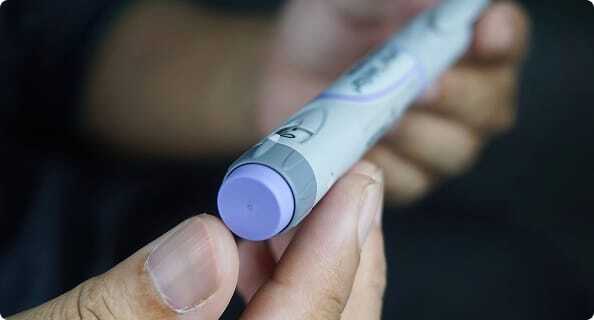
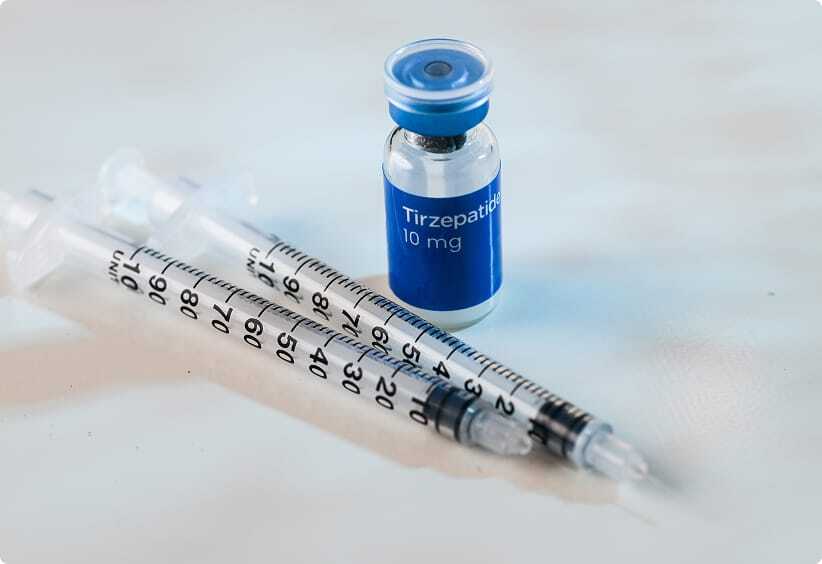
Compounded GLP-1 medications are custom-prepared medications containing semaglutide,  tirzepatide, or liraglutide prepared by licensed pharmacies for patients whose individual clinical needs, in the judgment of a prescriber, are not met by a commercially available drug.
During the national shortages of semaglutide and tirzepatide, federal law permitted broader compounding of these medications because drugs on FDA's drug shortage list are treated differently under the federal restrictions on compounding copies. Those shortages have now been resolved. Today, routine copies of commercially available GLP-1 drugs generally may not be compounded. However, patient-specific compounding may still be appropriate in certain circumstances when a prescriber determines that a compounded medication provides a significant difference from the FDA-approved drug for an individual patient.
This page explains when GLP-1 compounding may still be appropriate and how the rules work.

What is a compounded GLP-1?

A compounded GLP-1 is a medication such as semaglutide or tirzepatide that is prepared by a licensed pharmacy for an individual patient based on a prescription from a licensed provider.

Unlike a commercially manufactured drug, a compounded medication is prepared to meet an individual patient's needs. For example, a prescriber might determine that a patient needs a strength that is not commercially available, cannot tolerate a particular inactive ingredient, or needs another change that the prescriber judges produces a significant difference for that patient.

Compounded GLP-1 medications are not FDA-approved products. They are prepared under federal and state laws governing pharmacy compounding.

line_pen_red
tirzepatide
What changed after the shortages ended

Federal law has long provided different treatment under the compounding rules when an FDA-approved drug appears on FDA's drug shortage list. While semaglutide and tirzepatide were in shortage, broader compounding was permitted under those standing provisions. Once FDA determined the shortages were resolved, that shortage-based pathway no longer applied to these drugs, and the usual restrictions on compounding copies of commercially available drugs again governed.


injection
When a compounded GLP-1 fits

A prescriber may determine that a compounded version is appropriate when an individual patient needs a strength, formulation, ingredient change, or other modification that produces a significant difference for that patient compared to the commercially available drug.

regulation
Who regulates compounded GLP-1s

State boards of pharmacy license pharmacies and pharmacists and regulate the practice of pharmacy, and most state pharmacy laws also incorporate in one form or another the compounding standards of the U.S. Pharmacopeia. Federal law also applies: the Federal Food, Drug, and Cosmetic Act and FDA policies govern the conditions for pharmacy compounding, including requirements related to bulk drug substances and when a compounded drug may qualify for the exemptions in Section 503A. 503B outsourcing facilities are registered with and inspected by FDA and are subject to current good manufacturing practice requirements.

Woman sitting outdoors at sunset holding a mug

Why might a patient need a compounded GLP-1?

Commercial GLP-1 medications come in standardized strengths, formulations, and delivery systems. Those products meet the needs of many patients. For some patients, however, a prescriber may determine that an individualized compounded medication is clinically appropriate.

Examples may include:
Ingredient sensitivity or allergy

Ingredient sensitivity or allergy

A patient cannot tolerate an inactive ingredient in a commercially available product, and the compounded medication can be prepared without it.

Different strength

Different strength

A patient needs a strength that is not commercially manufactured and that the prescriber determines produces a significant difference for that patient.

Different formulation or dosage form

Different formulation or dosage form

A patient has an individual clinical need for a formulation that is not commercially available.

notequal_icon_blue

Another patient-specific difference

A prescriber determines that a change in the compounded medication produces a significant difference for that individual patient.

Built around individual need, not general demand

Pharmacy compounding exists to meet individual patient needs. Now that the semaglutide and tirzepatide shortages are resolved, pharmacies generally may not routinely prepare copies of commercially available GLP-1 medications simply as alternatives to FDA-approved products.

Under Section 503A of federal law, however, a compounded medication is not considered essentially a copy when a prescriber determines that a change in the compounded medication produces a significant difference for an identified individual patient.

DOCUMENTED NEED

Can a prescriber order a compounded GLP-1 without trying the commercial version first?

Federal law does not establish a blanket requirement that every patient first use or fail treatment with a commercially available GLP-1 drug. The prescribing practitioner determines what treatment is appropriate for the individual patient.

For a compounded GLP-1 that has the same active ingredient, the same or a similar strength, and the same route of administration as a commercially available drug, FDA guidance provides that it is not considered essentially a copy when the prescriber determines and documents that a change in the compounded medication produces a significant difference for that patient.

NOT A GENERAL ALTERNATIVE

Can I get a compounded GLP-1 just to save money?

Lower cost by itself does not make a routine copy of a commercially available GLP-1 eligible for patient-specific compounding.

Now that the semaglutide and tirzepatide shortages are resolved, pharmacies generally may not routinely compound copies simply because a patient prefers a less expensive option. Compounding remains available when the requirements of federal and state law are met.

At a Glance

Compounding works within a federal and state regulatory framework designed around patient need.

503A
PATIENT-SPECIFIC PHARMACY COMPOUNDING

Prepared by a state-licensed pharmacy for an identified individual patient based on a valid prescription and subject to federal and state compounding requirements.

503B
OUTSOURCING FACILITIES

Prepared by an FDA-registered outsourcing facility, often for hospitals, clinics, and other health care settings. 503B facilities operate under different federal requirements and must comply with current good manufacturing practice standards.

Shortages
Shortage Status

Broader GLP-1 compounding was permitted while semaglutide and tirzepatide appeared on FDA's drug shortage list. Those shortages have been resolved, so the shortage-based provisions that allowed broader compounding no longer apply to these drugs.

Patients
Patient-Specific Compounding

Routine compounding of copies of commercially available GLP-1 drugs generally is not permitted. Patient-specific compounding may remain appropriate when the requirements of federal and state law are met.

What changed after the GLP-1 shortages ended?

The federal compounding framework itself did not change when the semaglutide and tirzepatide shortages ended. What changed was the status of those drugs under that framework: once FDA removed them from the shortage list, the shortage-based provisions allowing broader compounding no longer applied.

The key question today is no longer whether semaglutide or tirzepatide is in shortage. It is whether a particular compounded medication meets the requirements of federal and state compounding law.

"Essentially a Copy" Standard


Section 503A generally restricts pharmacies from regularly or in inordinate amounts compounding medications that are essentially copies of commercially available drugs.

Importantly, federal law provides that a compounded drug is not considered essentially a copy when a prescriber determines that a change in the compounded medication produces a significant difference for an identified individual patient.

Simply adding an ingredient does not by itself satisfy that standard. The prescriber's determination must be based on the needs of the individual patient.

Shortage Status Resolved - Timeline
2022

Semaglutide and tirzepatide injection products appear on FDA's drug shortage list.

October 2, 2024

FDA initially determines the tirzepatide injection shortage is resolved.

December 19, 2024

After reevaluating its earlier decision, FDA issues a new determination that the tirzepatide injection shortage is resolved.

February 21, 2025

FDA determines the semaglutide injection shortage is resolved.

March 2025

The temporary enforcement-discretion period for Section 503A tirzepatide compounding ends following federal court action. The corresponding 503B period ends March 19.

April 2025

The temporary enforcement-discretion period for Section 503A semaglutide compounding ends following federal court action.

May 22, 2025

The corresponding Section 503B enforcement-discretion period for semaglutide ends.

The end of shortage-based compounding did not eliminate pharmacy compounding of GLP-1 medications. Patient-specific compounding under Section 503A remains possible when the requirements of federal and state law are met.
federal-authority
Federal authority

FDA-approved drugs are the gold standard and the norm in the U.S. drug supply. Pharmacy compounding is authorized under Sections 503A and 503B of the Federal Food, Drug, and Cosmetic Act to fill supply gaps or meet individual clinical needs that an FDA-approved drug does not meet.

glp1-pen
Shortage-based rules

Federal law permits broader compounding of an FDA-approved drug while that drug appears on FDA's drug shortage list. Because semaglutide and tirzepatide are no longer in shortage, those shortage-based provisions no longer apply to them. Patient-specific compounding under Section 503A remains available when the requirements of federal and state law are met.

state-oversight
State oversight

State boards of pharmacy license and regulate pharmacies and pharmacists and may impose requirements in addition to federal law. Requirements can vary from state to state.

fda-rule-making
Ongoing FDA activity

FDA continues to scrutinize GLP-1 compounding, including mass marketing of compounded GLP-1 medications and misleading claims that compounded medications are generic, equivalent to, or the same as FDA-approved drugs. FDA has also proposed excluding semaglutide, tirzepatide, and liraglutide from the list of bulk drug substances that 503B outsourcing facilities may use based on a determination of clinical need. These actions do not change the basic Section 503A framework for lawful patient-specific pharmacy compounding.

This page is for educational purposes and is not medical advice. Compounded medications are not FDA-approved. Whether a compounded medication is appropriate for an individual patient is a decision for a licensed prescriber, subject to applicable federal and state law.
Explore GLP-1 compounding

What GLP-1 topics are covered?

Tirzepatide
Compounded Tirzepatide
Semaglutide
Compounded Semaglutide
Alternatives
GLP-1 Alternatives
COMPARISON
Ozempic vs. Compounded Semaglutide
SUPPLY
GLP-1 Drug Shortage: History & Current Status
EMERGING USE
GLP-1 for Sleep Apnea
PEPTIDES
Compounded Peptides
resource
Find a Pharmacy
Glossary / resources

Key terms in GLP-1 compounding

Understanding compounded GLP-1 medications starts with a few terms used by pharmacists, prescribers, and regulators.

Frequently Asked Questions

Common questions about GLP-1 compounding

A compounded GLP-1 is a medication such as semaglutide or tirzepatide prepared by a licensed pharmacy for an individual patient based on a prescription from a licensed prescriber. Today, routine copies of commercially available GLP-1 drugs generally may not be compounded, but patient-specific compounding may remain appropriate when the requirements of federal and state law are met.

Find a Compounding Pharmacy Near You